sheet metal straightener
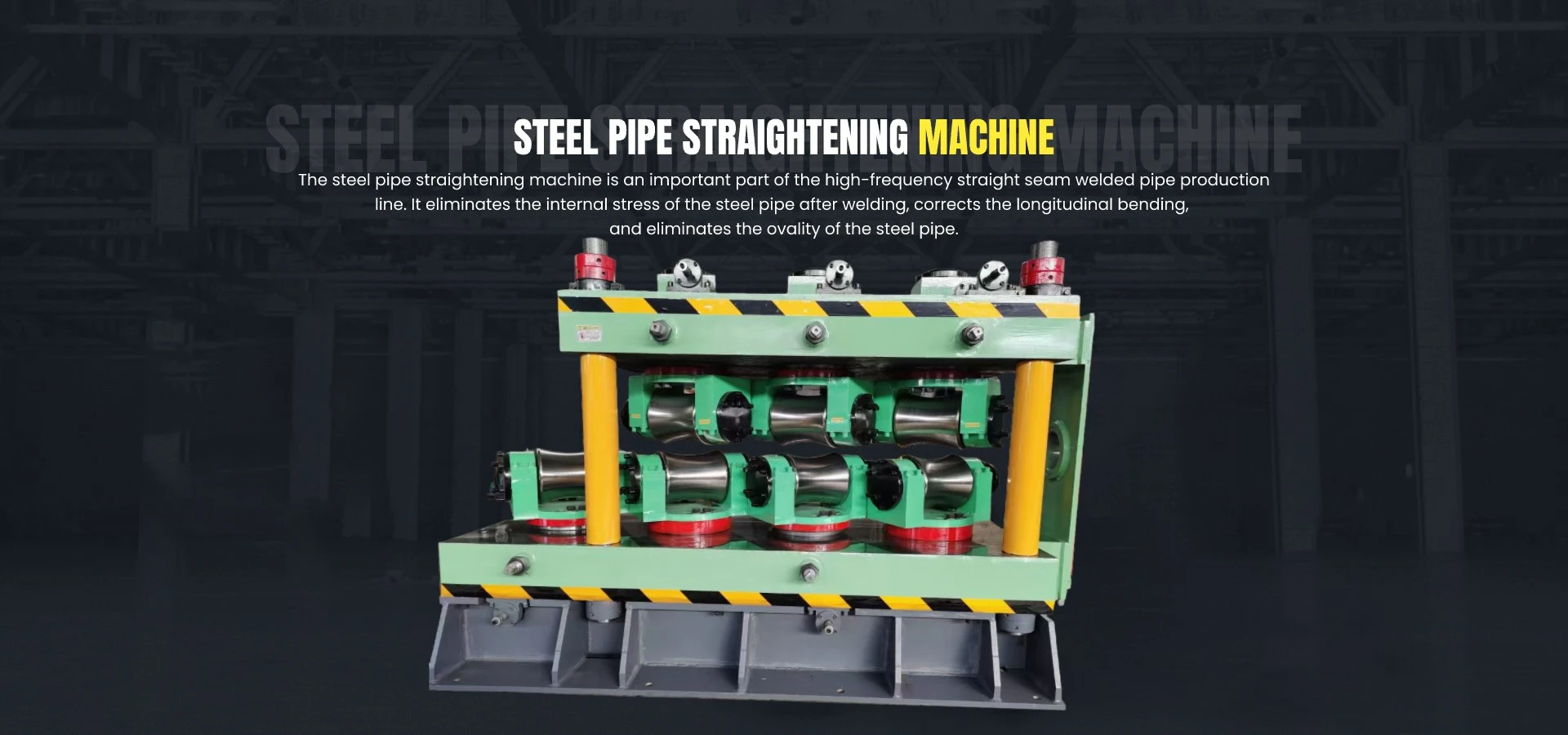
Understanding Sheet Metal Straighteners A Comprehensive Overview Sheet metal, a valuable material in various industries, can often be bent, warped, or distorted during manufacturing or transportation. This deformation can lead to challenges during fabrication processes, assembly, and final product functionality. A sheet metal straightener becomes vital in restoring the original shape and ensuring precision in metalwork. This article explores the significance, types, benefits, and operational considerations of sheet metal straighteners. What is a Sheet Metal Straightener? A sheet metal straightener is a mechanical device designed to correct the deformations in sheet metal, ensuring that the material is flat and uniform. By employing a series of rollers, hydraulic pressure, or other mechanisms, these machines exert controlled force on the metal, effectively flattening any irregularities. Importance of Sheet Metal Straighteners In industries such as automotive, aerospace, and construction, the requirement for precision-engineered components is paramount. Even minor deviations in the flatness of sheet metal can lead to significant issues during assembly, impacting the structural integrity and performance of the final product. Sheet metal straighteners play a crucial role in achieving the desired specifications and tolerances, thereby enhancing overall product quality. Types of Sheet Metal Straighteners 1. Roller Straighteners These are the most common type of straighteners used in sheet metal processing. They consist of multiple rollers, typically arranged in pairs, through which the metal passes. As the metal moves through the rollers, the controlled pressure flattens the material. Roller straighteners can handle various thicknesses and widths, making them versatile for different applications. 2. Hydraulic Straighteners Designed for heavy-duty applications, hydraulic straighteners utilize hydraulic pressure to flatten metal sheets. They are particularly effective for thick and tough materials, providing a robust solution for industries that require extensive straightening capabilities. 3. Mechanical Straighteners These devices use mechanical arms or levers to apply force to the metal sheets. While they may not be as commonly used as roller or hydraulic straighteners, they are suitable for specific applications, particularly in smaller workshops or for lower-volume tasks. 4. Plasma Cutting Straighteners This is a more advanced technique where plasma-cutting technology is integrated with straightening processes. It can remove localized deformations while maintaining overall flatness, making it ideal for intricate designs or high-precision requirements. Benefits of Using Sheet Metal Straighteners sheet metal straightener - Enhanced Quality By correcting deformation, straighteners ensure that the sheet metal meets quality standards and specifications. This leads to better performance in the final applications where precision is crucial. - Improved Efficiency Straightened sheets facilitate smoother fabrication processes, reducing the time spent on manual adjustments and rework. This efficiency saves costs and enhances productivity. - Wider Applicability Whether dealing with automotive body panels or aerospace components, the adaptability of sheet metal straighteners allows them to serve various industries, accommodating different metal types and thicknesses. - Longer Tool Life Flattened sheets result in less wear and tear on subsequent processing equipment, such as punching or cutting machines, thereby extending their operational life. Operational Considerations When using sheet metal straighteners, several factors should be considered - Material Specifications Understand the type of metal being processed, as different materials may respond differently to straightening forces. - Thickness and Width Ensure that the straightener is capable of handling the specific dimensions of your sheets without risk of damage. - Calibration and Maintenance Regularly calibrate the equipment to maintain precision and ensure that it remains in optimal working condition. Routine maintenance can prevent breakdowns that could affect production timelines. - Operator Training Equip operators with proper training to handle the machinery safely and efficiently, optimizing performance and reducing the risk of accidents. Conclusion Sheet metal straighteners are indispensable tools in modern manufacturing, ensuring that metal sheets meet required specifications and functional standards. Understanding the types, benefits, and operational considerations surrounding these devices can significantly enhance productivity and quality in various industries. By investing in a reliable sheet metal straightener, manufacturers can achieve superior flatness, reduce waste, and ultimately deliver better products to the market. As technology advances, we can expect further innovations in sheet metal straightening, paving the way for more efficient manufacturing processes.





















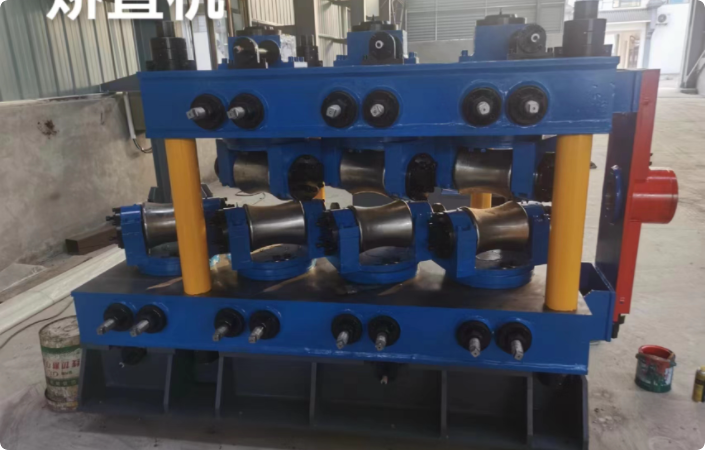 Tube Shaping Equipment for Efficient Manufacturing Processes2026-06-17 15:35
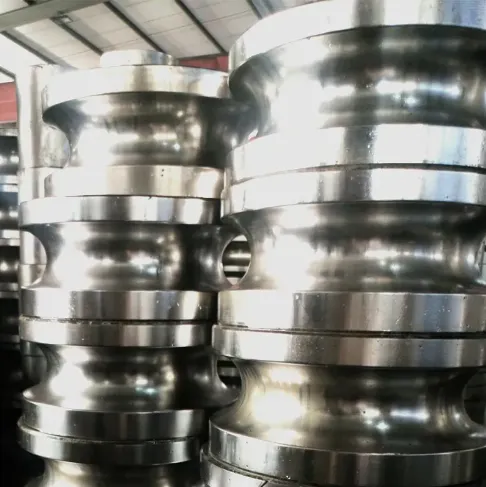 steel cold rolling mill2026-06-17 13:46
 Steel Pipe Rolling Equipment for Efficient Production and Enhanced Performance2026-06-17 13:32